This group of speakers glimpses into the unseen, microscopic life stages of kelp to pose questions about micro-ecologies, bacterial relationships, and the regeneration of kelp. Some of the questions posed; Can gametophytes survive passing through the intestinal track of urchins? How long can kelp survive in the water column before settling? What are the unique bacteria on brown algae and how do they benefit kelp growth, resiliency, and development?
The Hidden Life of Kelps
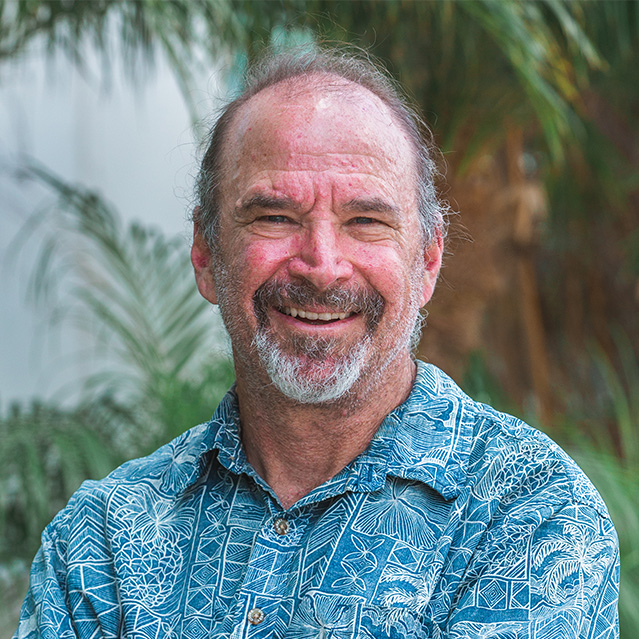
Matthew Edwards is a Professor of Biology at San Diego State University who specializes in coastal ecology, seaweed ecophysiology, aquaculture, and statistical analysis of biological data. He earned a Bachelor of Arts in Aquatic Biology from UC Santa Barbara in 1990, a Master’s in Marine Science from Moss Landing Marine Laboratories in 1996, and a Ph.D. in Biology from UC Santa Cruz in 2001. He was awarded a UC Faculty Fellowship in 2001, for which he taught courses in Seaweed Biology and Statistics at UCSC. He joined the faculty at SDSU in 2002 and has since taught courses in Seaweed Biology, Marine Ecology, and Statistics on a regular basis.
Ecology of Kelp Gametophytes: Grazing in a Warming Ocean
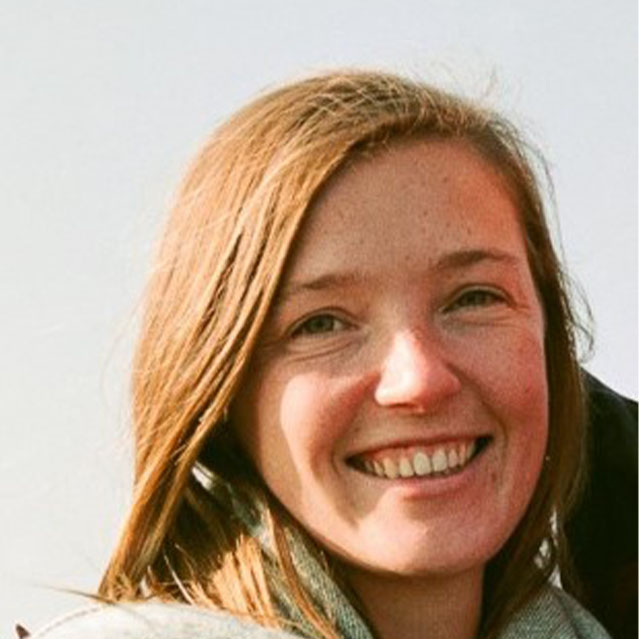
Reina is a seaweed ecologist with a special interest in seaweed life cycles. Her PhD at Southern Cross University focussed on the resilience of kelp gametophytes to ocean change. She is starting as a postdoc at the Scottish Association of Marine Science in October to work on seaweed cultivation and conservation.
Micro 2 Macro: What is the Seaweed Microbiome up to?
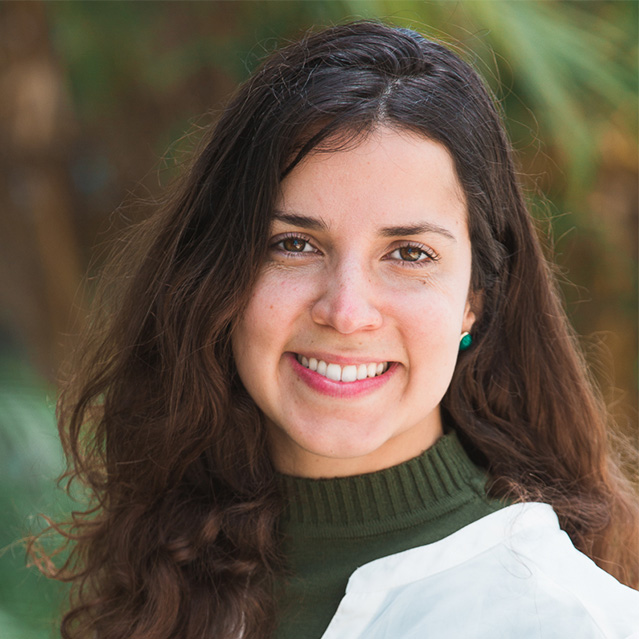
Lais Lima is a marine ecologist focused on investigating the role of the microbiome in host health and ecosystem functioning in coral reefs and kelp forests. She received her joint PhD in 2022 from San Diego State University/UC Davis and recently concluded a postdoctoral position with kelp forest ecologist Dr. Matt Edwards at SDSU.
 kelpkulture.com
Leave a comment