
Thursday November 13th, 12-1 pM PT
Adi Khen
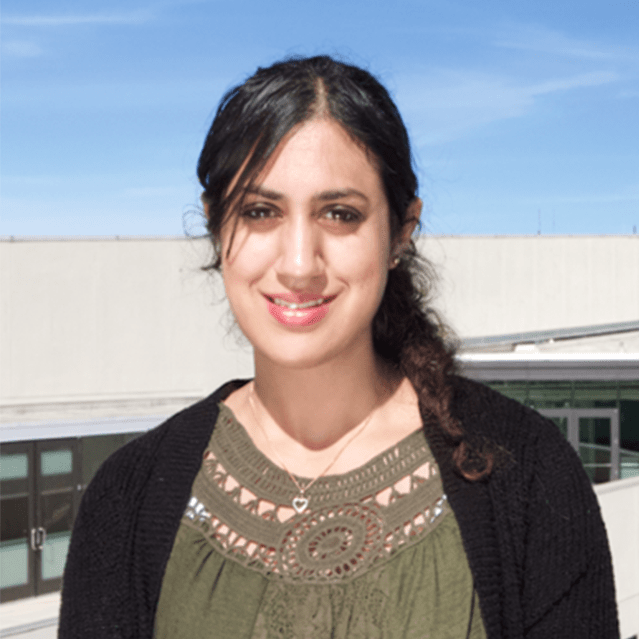
Adi Khen, PhD, is a Postdoctoral Researcher in the Smith Seaweed Ecology Lab at the Scripps Institution of Oceanography, UC San Diego. Adi is curating, cataloguing, and digitizing Scripps’ herbarium collection of over 5,000 pressed seaweed specimens. Her research focuses on how historical and contemporary herbarium specimens can inform species abundance and biodiversity, the arrival non-native species, and responses to marine heatwaves. She is passionate about using art to communicate science and makes digital illustrations of marine life in her spare time. Adi recently collaborated with the California Seaweed Festival to design a field guide of common Southern California seaweed species.

The canopy-forming feather boa kelp, Egregia menziesii, exhibits remarkable morphological variability across its geographic range. Regional morphotypes of Egregia were once considered separate species, but they were not determined to be genetically distinct and their morphology is thought to reflect local physical or environmental conditions. While morphological variation in Egregia has long been observed, we revisited this topic using digital morphometrics (i.e., image analysis) of 1,624 macroalgal herbarium specimens from California dating back to the 19th century. We found that Egregia’s morphology varies along a latitudinal gradient and is strongly linked to seawater temperature, with some region-specific morphological changes in recent decades. Further, the presence or absence of sporophylls by month in southern-region specimens provided insight into the scarcely documented reproductive phenology of Egregia. Herbarium collections are invaluable for studying patterns in morphology because they showcase inter- and intraspecific variability and establish a baseline for comparison through time. Integrating natural historical and contemporary data will be critical for understanding and predicting future trends in the context of warming.
 kelpkulture.com